Reach Higher: How Michelle Obama Built a National Movement for Education and Opportunity
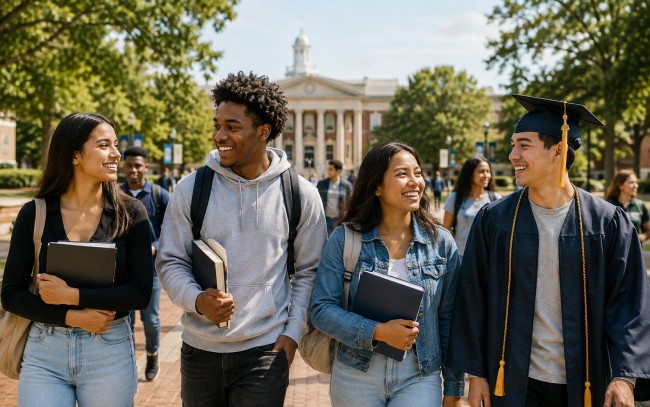
Reach Higher became one of the most recognised education initiatives connected with former First Lady Michelle Obama. Launched in 2014, it encouraged young people in the United States to continue learning after high school and take greater control of their future.
Its message was clear: a high school diploma is important, but many careers require further education, training, or professional preparation. The initiative showed students that success could come through a four-year university, community college, career training programme, technical course, or military service.
It gave special attention to first-generation students and young people from low- and middle-income families. Through national campaigns, digital tools, school events, and counsellor support, the programme worked to make the next step feel possible.
What Is Reach Higher?
Reach Higher was created by Michelle Obama while she served as First Lady of the United States. It began in 2014 as a national education initiative designed to inspire every student in America to complete education beyond high school.
The initiative did not present university as the only path. It supported professional training, community college, four-year colleges, universities, and the military. Its goal was to help young people choose a route that matched their abilities, interests, and long-term plans.
It worked in higher education, college access, college completion, K-12 education, and student support. Based in Arlington, Virginia, its small team reached students across the country.
The Mission of Reach Higher
The mission centred on helping young people complete their education and own their future. Michelle Obama and the team believed students should have the confidence, tools, and support needed to make strong choices after high school.
Why Education After High School Matters
Modern jobs often demand more than a high school education. Many employers seek workers with technical skills, professional certificates, college experience, or a university degree. The initiative shared research from the Georgetown University Center on Education and the Workforce. It stated that within less than a decade, 72% of jobs would require some form of training after high school, while 42% would require a college degree. These figures supported the view that postsecondary education can improve job access, earning power, career stability, and the ability to adjust to a changing economy.
Supporting Fair Access
Not every student starts from the same position. Some families understand college applications, financial aid, and campus life. Others may be considering higher education for the first time. The programme aimed to reduce this gap by giving students clear guidance about applications, financial support, deadlines, and career choices. It also worked to build a culture in which continuing education became a normal and celebrated goal.
Quick Information About Reach Higher
| Detail | Information |
|---|---|
| Name | Reach Higher |
| Founder | Michelle Obama |
| Founded | 2014 |
| Industry | Higher Education |
| Headquarters | Arlington, Virginia, United States |
| Main Mission | Encourage students to continue education after high school |
| Target Audience | First-generation and low-income students |
| Education Paths | Career training, community college, university, and military service |
| Major Campaigns | Better Make Room, UpNext, and College Signing Day |
| Joined Common App | January 2019 |
| Website | www.reachhigher.org |
| Key Specialities | College access, college completion, K-12, and financial aid support |
| Formal Programming Ended | August 2025 |
| Legacy | Supporting equal access to education and career opportunities |
The Challenge Reach Higher Wanted to Solve
Tuition costs, student debt, and changing career options have caused families to question the value of college. The initiative did not push every young person towards one path. It promoted education and training that could create stronger opportunities.
The College Completion Gap
An internal Common App analysis from the 2016–2017 application season showed a major difference in degree completion. Only 48% of first-generation and low-income applicants earned a bachelor’s degree within six years. By comparison, 78% of continuing-generation and higher-income applicants completed one within the same period.
This gap showed that admission alone was not enough. Students also needed support before applying, during the move to college, and throughout their studies. Financial pressure, limited family guidance, academic stress, and unfamiliar campus systems could affect completion.
Support From Planning to Arrival
The programme wanted students to receive help from the moment they began thinking about life after high school. This support included exploring careers, completing aid forms, applying to colleges, meeting deadlines, and preparing for campus life.
Reach Higher and Its Theory of Change
The initiative followed a clear theory of change. It believed students had a better chance of continuing their education when they could see real opportunities, understand the cost, receive trusted guidance, and feel part of a college-going culture.
Exposing Students to College and Careers
Campus visits, career events, and school talks helped students understand different paths. Young people were encouraged to explore colleges, training programmes, technical careers, and professional opportunities. This exposure was important for students who had little experience with university life or skilled career routes. Seeing possible futures could help them set clear goals and make confident decisions.
Making Financial Aid Easier to Understand
College costs can discourage families, but grants, scholarships, work-study programmes, and other aid can make education more affordable. The programme helped students understand eligibility and complete the Free Application for Federal Student Aid, known as FAFSA. Completing FAFSA is a key step for many students seeking financial help. Missing the form or submitting it late can reduce access to grants and other forms of support. Clear guidance helped students avoid common mistakes.
Building a College-Going Culture Online
The organisation used social media to share deadlines, celebrate achievements, and make education goals feel exciting. College acceptance and training decisions became moments of pride. Online outreach also allowed the initiative to communicate directly with young people. Messages could remind students about important dates while encouraging them to remain focused on their plans.
Supporting High School Counsellors
School counsellors guide students through applications, career plans, financial aid, and personal challenges. The initiative championed their work because strong guidance helps students make informed decisions and complete key steps. Counsellors can also identify students who need extra help. Their support may be especially valuable for young people whose parents have no experience with college admissions.
Major Reach Higher Campaigns
The initiative developed campaigns that combined motivation with practical guidance. These programmes reached students through schools, events, social media, and mobile phones.
Better Make Room
Better Make Room was a youth-focused campaign that encouraged students to plan for education after high school. It used social media, public events, and direct messages to connect with young people. The campaign encouraged students to imagine themselves as future college students, trainees, or professionals and take ownership of their plans. Better Make Room also helped create a positive culture in which educational success was celebrated. It reminded students that their decisions, applications, and achievements deserved national attention.
UpNext
UpNext used text messages to guide students through important tasks. Messages reminded young people about applications, FAFSA forms, deadlines, and other steps linked with college entry. The campaign reached hundreds of thousands of first-generation and low-income students. Simple reminders could prevent missed deadlines and reduce confusion. Text messaging was an effective method because students could receive short and useful guidance directly on their phones. The service made complex application steps easier to manage.
College Signing Day
College Signing Day celebrated students who chose education or training after high school. These events gave young people public recognition for their commitment, just as athletes are celebrated when joining college teams. Through these events and related campaigns, more than one million students going to college were celebrated. The events also encouraged younger students to think about their own futures. Seeing classmates celebrated for educational choices could inspire others to begin preparing for college, training, or another suitable path.
Reach Higher and Common App
In January 2019, Reach Higher joined Common App, a nonprofit membership organisation focused on access, equity, and integrity in college admissions. The partnership united two groups with similar goals. Common App helped students apply to many institutions through one system, while the initiative brought public energy, student campaigns, and a strong focus on first-generation families.
Working with Common App also allowed the programme to connect its national message with a practical admissions platform. Students could receive encouragement while using a recognised system to complete college applications. Its office was based with The Common Application at 3003 Washington Boulevard, Arlington, Virginia 22201. The organisation operated with a small workforce of two to ten employees.
The Lasting Impact of Reach Higher
The initiative helped change how educational achievement was celebrated. It showed that choosing community college, professional training, university, or military service could all be meaningful steps. Its work also placed greater attention on college completion, not only admission. Helping a student enter college matters, but helping that student graduate is the deeper goal.
Formal programming concluded in August 2025 after more than ten years of activity. Even so, its mission, digital resources, College Signing Day model, and support for school counsellors continue to influence education work. The initiative also strengthened the national discussion about first-generation students. It showed that talent exists in every community, but opportunity and guidance are not always equally available.
Final Thoughts
Reach Higher gave students a strong message: their future should not be limited by income, family background, or lack of guidance. With the right support, young people can make informed choices and continue learning after high school. Michelle Obama’s initiative combined national attention with practical help. Its lasting legacy is the belief that every student deserves a fair chance to prepare for a meaningful career and secure future.
Also Read