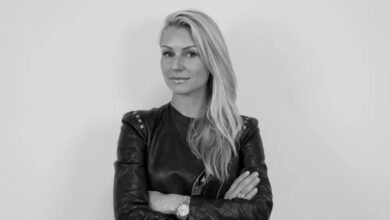
Nikki Stone: The Olympic Champion Who Turned Adversity into a Life of Resilience
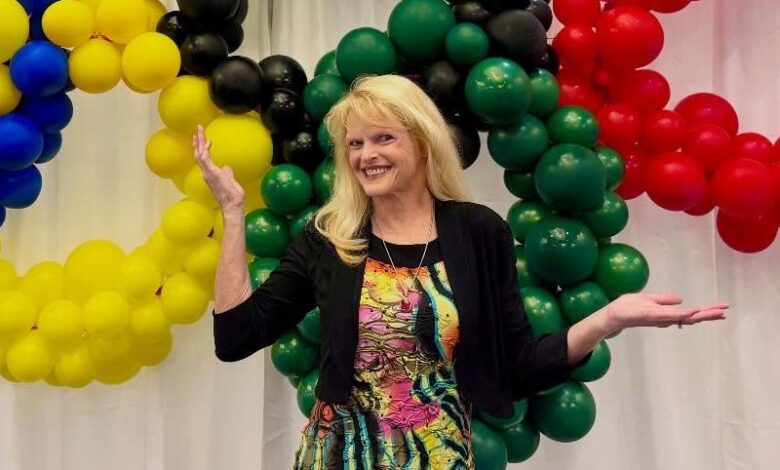
Nikki Stone is a former American freestyle skier, Olympic gold medallist, bestselling author and respected motivational speaker. Her story is not only about winning a medal. It is also about rebuilding strength after a serious spinal injury, trusting a difficult plan and helping other people face their own challenges. At the 1998 Winter Olympics in Nagano, Japan, she became the first American to win Olympic gold in aerial skiing.
Today, Stone works with organisations, companies and individuals that want to build resilience, take thoughtful risks and perform well under pressure. Through Podium Enterprises, she combines lessons from elite sport with ideas from psychology, leadership and personal development.
Nikki Stone’s Early Life and Love of Sport
Nicole “Nikki” Stone was born on 4 February 1971 in Princeton, New Jersey. She turned 55 in February 2026. She developed an interest in movement and competition at a young age, first gaining experience through gymnastics and skiing. Those early activities helped her build balance, body control and confidence, skills that later became important in aerial freestyle skiing.
As she grew older, Stone became more focused on freestyle skiing. She eventually joined the U.S. Ski Team and specialised in aerials. In this event, skiers travel quickly towards a large snow ramp, launch high into the air and complete flips and twists before landing on a steep slope.
A Strong Academic Foundation
Nikki Stone studied psychology at Union College, where she earned a Bachelor of Science degree between 1991 and 1996. She graduated Magna Cum Laude, showing the same discipline in education that she brought to sport. She later completed a master’s degree in sports psychology at the University of Utah from 2004 to 2005. She graduated Summa Cum Laude with a 4.0 grade point average and was recognised as the university’s Master’s Student of the Year.
Her academic background became a major part of her later work. It gave her a deeper understanding of motivation, confidence, stress and performance.
The Rise of an Aerial Skiing Champion
Nikki Stone joined the U.S. Ski Team in 1990 and competed internationally throughout the 1990s. Aerial skiing requires extraordinary courage because athletes must make complex movements while travelling at high speed and reaching a great height. A small mistake in timing or body position can affect the entire landing.
Her progress was steady, but it was not free from setbacks. She competed at the 1994 Winter Olympics in Lillehammer and continued to develop her technique afterwards. She won the aerial World Cup title in 1995 and added a world championship title that same year. These victories showed that she was not simply a talented competitor; she had become one of the leading aerial skiers in the world.
The Career Threatening Injury
In 1996, Stone faced the most serious challenge of her sporting life. Doctors found problems with her spine, including weakened discs. Her injury made it difficult for her to stand, and medical experts warned that returning to aerial skiing could place her health at serious risk. Ten doctors told her that she might never jump again.
The setback could have ended her career. Instead, Stone created a careful recovery plan. She worked on her physical condition, managed fear and pain, and stayed focused on the goal of competing again. Her decision was not a careless refusal to accept medical advice. It involved patience, professional guidance and a strong understanding of her own limits.
Returning to the Snow Ramp
Stone’s comeback required more than physical training. She had to rebuild trust in her body and regain confidence in a sport that demanded complete commitment. She also had to accept that progress could be slow. Each training session became part of a larger process that joined rehabilitation, mental preparation and technical work.
Nikki Stone’s Historic 1998 Olympic Victory
The 1997–98 season became the greatest period of Stone’s competitive career. She won the aerial World Cup title, the overall freestyle World Cup title and several major events. Her form gave her a real chance at the Nagano Games, but the Olympic final still demanded a perfect combination of power, precision and calm thinking.
At Nagano in February 1998, Stone performed two difficult jumps and earned a winning score of 193 points out of a possible 200. Her first jump, a triple-twisting double somersault, received one of the highest marks of the day. She finished with the gold medal and became America’s first Olympic champion in aerial skiing.
The victory was meaningful because of what came before it. Less than two years earlier, she had struggled to stand because of her spinal condition. At Nagano, she was launching from a tall snow ramp, rising high above the landing hill and completing movements that required complete control. Her success became a powerful example of preparation, persistence and responsible risk-taking.
A Record of Outstanding Results
Across her career, Stone earned 35 World Cup medals, 11 World Cup titles, four national titles, two year-long aerial World Cup crowns and one world championship. She also became the first athlete from a single freestyle discipline, male or female, to win the overall freestyle World Cup. She retired from elite competition after the 1998–99 season, leaving the sport with a record that placed her among its leading American athletes.
Building a Second Career After Competition
Retirement did not end Stone’s connection with sport. It gave her a new platform. She became president of Podium Enterprises and developed work as a motivational speaker, personal and professional development coach and author. Her company uses sporting lessons to explore leadership, teamwork, productivity and confidence. She also hosts a year-long Motivational Minute programme and serves on four philanthropic committees.
Nikki Stone’s approach is practical. She encourages people to choose a clear goal, create a plan, stay persistent, build a reliable support team, take ownership of their role, manage pressure and use healthy competition as a source of growth. These seven sports-inspired actions form the basis of many of her talks and coaching programmes.
Supporting Olympic Athletes
The United States Olympic Committee invited Stone to work with winter Olympians on mental strength, confidence and communication. She has also trained athletes in speaking, presentation and mentoring skills, and worked as a visiting professor at the University of Utah. Her experience helps competitors explain their stories, handle difficult questions and communicate with greater control.
Her work is not limited to athletes. She speaks to businesses, charities, schools and professional groups. Her central message is that setbacks do not have to define a person’s future. With a clear direction, a useful plan and the right support, people can respond to pressure in a more effective way.
When Turtles Fly and the Power of a Good Plan
Nikki Stone is the author of When Turtles Fly: Secrets of Successful People Who Know How to Stick Their Necks Out. The book presents success as something that grows from action, courage and preparation rather than luck alone. It combines her Olympic journey with stories from accomplished people in sport, business, science, entertainment and public service.
The book includes examples connected with Tommy Hilfiger, Prince Albert of Monaco, Shaun White, Stephen Covey, Branford Marsalis, Lindsey Vonn, Timothy Shriver, Vinod Khosla, Steve Young, Todd English and Nadia Comaneci. Their experiences support the book’s main idea: outstanding results usually come from repeated choices, strong habits and the willingness to move beyond comfort.
Nikki Stone also connected the book with charitable work. Twenty-five per cent of the author’s net proceeds from sales was pledged to the American Cancer Society. This decision added a service element to a project already focused on helping people pursue meaningful goals.
Television and Public Speaking
Television credits include The Today Show, The Late Show with David Letterman, Good Morning America, CNN, MSNBC and ESPN. She has also worked as a talk-show host for Athletic Champion Show. Her speaking style combines personal stories, humour, emotional honesty and activities that encourage participation.
Many of her presentations focus on resilience, risk-taking, empowerment, ownership and performance under pressure. She has received Speaker of the Year recognition from more than one speakers bureau and continues to travel for professional engagements.
Nikki Stone’s Husband and Children
Nikki Stone is married to Michael Spencer, a former freestyle moguls skier. Their shared connection with winter sport has been part of their family story. Family details identify two children: a daughter named Zali Stone Spencer and a son named Zealand. She is also five feet eight inches tall.
Stone has spoken about family, purpose and personal responsibility alongside her professional achievements. Her current professional details place her in Beaufort, South Carolina. She continues to work as a speaker, performance coach and author while maintaining a strong connection with Olympic sport.
A Lasting Legacy of Resilience
Nikki Stone’s legacy reaches beyond her 1998 Olympic medal. Her sporting record is impressive, but the deeper value of her story comes from the way she responded to a serious injury and used that experience to help others. She shows that resilience is not a single act of bravery. It is a process built through preparation, patience, honest self-assessment and steady effort.
From the snow ramps of freestyle skiing to corporate stages and coaching rooms, Stone has remained focused on the same purpose: helping people discover what they can achieve when they face uncertainty with courage and a clear plan. Her journey continues to inspire athletes, workers, students and leaders who are trying to reach their own personal gold medal.