Hart Schaffner Marx: The Timeless American Name That Redefined Men’s Tailoring
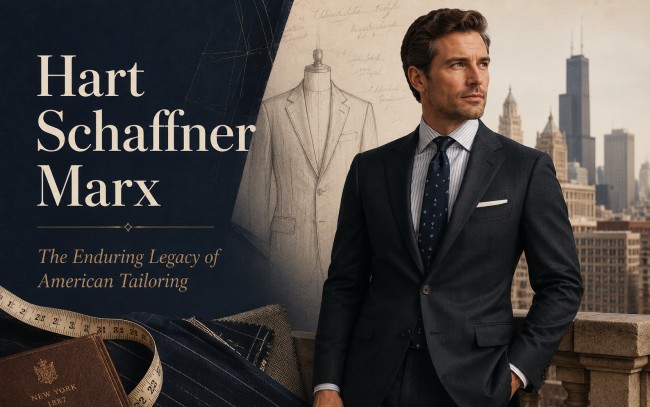
Hart Schaffner Marx is one of the most important names in the history of American men’s clothing. The brand became famous for well-made suits, smart design, fine fabrics, and reliable fit. Its story began in Chicago and grew into a major force in the clothing industry. Today, the name still carries strong value in classic American tailoring.
The roots of the company go back to 1872, when brothers Harry and Max Hart entered the clothing business. They were German immigrants who built their future through hard work and a clear business vision. Joseph Schaffner later joined the company, and the Hart, Schaffner & Marx name took shape in 1887. The brand uses 1887 as the official year of its foundation.
Early Growth of Hart Schaffner Marx
The founders wanted ready-made suits to fit men better than common clothing of that period. They helped develop different suit shapes for different body types instead of using one standard cut. This idea gave customers more comfort and helped the company build trust across the United States. Better fit became one of the strongest parts of the company’s identity.
The business also became known for practical clothing improvements that matched changing lifestyles. These included zipper trousers, lightweight wool suits, and designs made for warmer weather. Such changes helped formal clothing become easier to wear in daily business life. The company proved that traditional tailoring could improve without losing its class.
Hart Schaffner Marx Craftsmanship and Quality
Craftsmanship has always stood at the center of the brand’s image. A good suit must have clean seams, balanced shoulders, strong stitching, and a comfortable shape. The company also places value on quality linings, secure buttons, fine fabrics, and careful finishing. Every part of a suit must work together to create a polished final look.
The brand believes that clothing should do more than make a man look formal. A suit should help him move with comfort, confidence, and a strong sense of personal style. It should also remain useful for years when it is properly worn and cared for. This focus gives the clothing a sense of lasting value.
Fabrics and Construction
Wool has remained one of the main materials used in the company’s suits and sport coats. Fine wool can provide structure while still allowing the body to move and breathe. Different weights can also make a garment suitable for cold weather, mild seasons, or warmer conditions. The right fabric improves both comfort and the shape of the finished clothing.
Construction is just as important as fabric when creating a strong suit. The shoulder, chest, waist, sleeve, and trouser line must all work in balance. Small details such as pockets, stitching, buttons, and inner lining also affect quality. Good tailoring brings these elements together without making the garment feel heavy.
Hart Schaffner Marx Quick Info
| Quick Info | Details |
|---|---|
| Brand Name | Hart Schaffner Marx |
| Founded | 1887 |
| Historical Roots | 1872 |
| Origin | Chicago, Illinois, United States |
| Founders | Harry Hart and Max Hart |
| Industry | Retail Apparel and Fashion |
| Specialty | Premium Men’s Tailored Clothing |
| Known For | Suits, Sport Coats, Formalwear, Outerwear |
| Current Owner | ABG HMX, LLC / Authentic Brands Group |
| Major Partner | Peerless Clothing International |
| Market Position | Premium American Menswear |
| Official Website | hartschaffnermarx.com |
| Key Fits | Chicago Fit and New York Fit |
| Retail Presence | Nordstrom, Bloomingdale’s, Dillard’s |
Hart Schaffner Marx Fits for Different Men
Fit has played a major role in the brand’s success for many decades. Men have different heights, builds, shoulders, and personal tastes, so one suit shape cannot serve everyone. The company has continued its fit tradition through classic and modern suit designs. Two well-known examples are the Chicago Fit and the New York Fit.
Chicago Fit
The Chicago Fit follows a more traditional American shape with extra comfort through the body. It is designed for men who prefer classic proportions and an easy professional appearance. The jacket has a balanced shape that works well for business, formal events, and daily wear. This fit reflects the brand’s deep connection with traditional American style.
New York Fit
The New York Fit offers a cleaner and more modern shape for men who prefer sharper tailoring. It can include a slimmer sleeve, higher armhole, shaped waist, shorter jacket, and neater shoulder line. These features create a fresh look without removing the formal character of the suit. The design shows how the company has moved forward with modern fashion needs.
Made-to-Measure Service
Made-to-measure clothing gives customers greater control over fit, fabric, and personal details. Measurements help create a garment that works more closely with an individual body shape. Customers can also choose features that make the finished suit feel more personal and refined. This service keeps the company’s long tradition of better fit alive today.
Who Owns Hart Schaffner Marx Today?
The modern business structure is very different from the large factory-based company of the past. The brand is connected with ABG HMX, LLC, which is part of the Authentic Brands Group system. Authentic owns and manages many well-known names across fashion, sports, lifestyle, and entertainment. Its business model focuses on brand ownership, licensing, partnerships, and intellectual property.
This system means one company does not need to control every factory, store, and sales team. Different partners can handle clothing production, wholesale activity, merchandising, and retail distribution. The model allows a historic name to remain active while specialist companies manage major business functions. It also explains why employee figures connected directly with the brand can be misleading.
Peerless Clothing and Hart Schaffner Marx
Peerless Clothing International plays an important role in the modern life of the brand. The company has strong experience in tailored menswear and works with major department and specialty stores. It has handled important product, wholesale, and merchandising functions for the American clothing name. This partnership connects more than a century of history with today’s retail market.
Raffi Ajemian has held senior leadership responsibility for the brand within the Peerless organization. The modern direction has focused on protecting the company’s heritage while improving its appeal to current buyers. Updated fabrics, cleaner fits, and fresh styling help the suits feel modern without losing their roots. This balance is important for a brand with such a long history.
Product Range and Retail Presence
Hart Schaffner Marx remains active in men’s tailored clothing and formal fashion. Its range includes suits, sport coats, trousers, tuxedo clothing, wool coats, peacoats, and other outerwear. Made-to-measure options provide an extra level of choice for customers who want a closer fit. The wider product range allows the brand to serve men beyond the traditional business suit.
The clothing is sold through major American department stores and specialist retail channels. Nordstrom, Bloomingdale’s, and Dillard’s have carried products from the brand in recent years. These stores give the company access to customers who value quality, fit, and trusted names. Department-store distribution remains an important part of the brand’s strength.
Market Position
The brand stands in the premium area of American menswear rather than the low-cost clothing market. It offers a higher level of heritage, fabric quality, construction, and fit than basic budget suits. At the same time, it remains more accessible than many elite European luxury tailoring houses. This position makes it attractive to professionals who want quality without extreme luxury prices.
Many suits can sell for several hundred dollars, with prices changing by fabric, construction, and retailer. Sport coats, trousers, and outerwear may offer different entry points for new customers. Special fabrics and made-to-measure work can increase the final cost of a garment. The brand competes through value and tailoring rather than through low prices alone.
American History and Cultural Importance
The company holds an important place in the story of American clothing and factory development. Its growth matched the rise of ready-made menswear during a major period of industrial change. Large operations helped provide clothing for professionals, executives, and families across the country. Its name became connected with both fashion history and the growth of American manufacturing.
The company also played a role in the 1910 Chicago garment workers’ strike. That major labor conflict helped shape later agreements between workers and clothing companies. It became part of the wider development of collective bargaining in the American garment industry. This gives the company importance beyond fashion and retail.
The Des Plaines Manufacturing Legacy
A major part of the company’s industrial history is tied to Des Plaines, Illinois. The operation at 1680 East Touhy Avenue included distribution and manufacturing facilities for many years. The site became closely connected with the company’s identity as an American clothing producer. Many workers were connected with the facility during different stages of its history.
During the COVID-19 period, workers at the facility also helped produce protective masks. The property later became connected with redevelopment and demolition plans as the business structure changed. The old address still has historic value but does not define the modern corporate home of the brand. Current ownership is tied more closely to Authentic Brands Group and its wider business network.
Why Hart Schaffner Marx Still Matters
Hart Schaffner Marx has survived major changes in fashion, manufacturing, ownership, and retail habits. Its lasting strength comes from American heritage, careful tailoring, strong fabrics, dependable fit, and classic style. The company has changed its business model while protecting the value built over many generations. That ability to adapt has helped the name remain active for more than a century.
Modern customers want comfort, quality, smart design, and clothing that works in many situations. The brand answers these needs through classic suits, modern fits, outerwear, and made-to-measure choices. Its future depends on combining traditional craftsmanship with the needs of today’s professional man. That balance keeps Hart Schaffner Marx relevant in the changing world of American menswear.