GMX Resources: History, Bankruptcy and the Companies That Followed
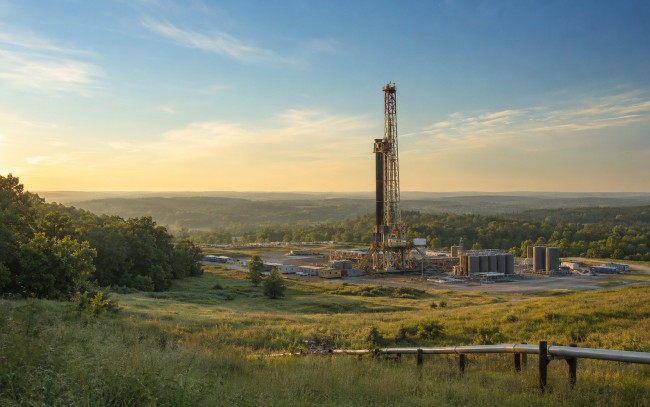
GMX Resources was an independent American oil and natural gas exploration company based in Oklahoma City, Oklahoma. Its former headquarters stood at 9400 North Broadway, Suite 600, Oklahoma City, Oklahoma 73114. The historic telephone number was 405-600-0711.
The company focused mainly on oil and gas properties in East Texas, North Dakota and Wyoming. Its strongest early connection was with the Haynesville Shale, Bossier Shale and Cotton Valley formations in East Texas. Later, it moved towards oil production in the Bakken and Three Forks formations in North Dakota.
GMX Resources became a public company in 2001. It operated under the ticker symbol GMXR on the New York Stock Exchange before financial pressure led to bankruptcy and delisting.
The Early History of GMX Resources
Formation and Public Growth
The company was incorporated in Oklahoma on 23 January 1998. During its early years, management built a business around the purchase, development and production of oil and gas properties. The company grew during the early shale development period in the United States. It acquired leases, worked with operating partners and invested heavily in drilling. Its growth strategy depended on increasing reserves and expanding production across several resource areas.
During its public-company period, GMX Resources promoted itself as a pure-play exploration and production business. Its main goal was to develop large oil and gas reserves rather than operate refineries, petrol stations or other downstream businesses.
East Texas Shale Operations
Haynesville, Bossier and Cotton Valley
East Texas was the company’s most important historic region. Its properties were located in the Sabine Uplift, including areas near Harrison and Panola counties.
The main formations were:
- Haynesville Shale
- Bossier Shale
- Cotton Valley Sands
- Other shallow East Texas gas formations
A company presentation from 2005 described approximately 22,000 gross acres and 12,000 net acres in East Texas and northern Louisiana. The same material showed 64.3 billion cubic feet equivalent of proved reserves, with most of the reserves coming from natural gas.
A later presentation showed a much larger reserve base. The company promoted more than 160 BCFE of proved reserves by 2006. These figures reflected a period when shale gas companies were expanding quickly and investors were placing high value on undeveloped acreage.
GMX Resources also worked with other energy companies to drill wells and share development costs. Its East Texas properties had access to gathering, processing and transportation systems, which helped the company move gas to market.
GMX Resources: Quick Info
| Detail | Information |
|---|---|
| Company | GMX Resources, Inc. |
| Industry | Oil and natural gas |
| Main Focus | Exploration and production |
| Key Areas | Haynesville, Bossier and Cotton Valley |
| Location | East Texas and Oklahoma City |
| Major Event | Bankruptcy in 2013 |
| Business Status | Historic company with successor businesses |
GMX Resources Expands into Oil
Natural gas prices later weakened, while drilling costs remained high. As a result, the company began placing more attention on oil projects. Its main oil targets included the Bakken and Three Forks formations in North Dakota. It also held undeveloped acreage in Wyoming’s Denver-Julesburg Basin, where the company planned to explore for Niobrara oil.
This change created both opportunities and financial pressure. Oil assets offered stronger prices than gas at certain points, but oil drilling required major capital investment. GMX Resources needed large amounts of money to drill horizontal wells, complete them and connect production to transport systems.
In October 2012, the company entered a purchase agreement valued at approximately $69 million for additional oil and gas properties in East Texas and Louisiana. The transaction included Cotton Valley interests and shallow rights. The deal showed that management was still trying to expand its asset base shortly before the bankruptcy filing.
Financial Pressure at GMX Resources
Declining Performance
The company’s financial statements showed serious pressure before the Chapter 11 case. In 2010, GMX Resources recorded approximately $96.5 million in oil and gas sales. However, it recorded a net loss of about $138.3 million. Capital spending reached approximately $188 million, while long-term debt stood near $284.9 million.
At the end of 2010, total assets were approximately $507.1 million. The company continued spending heavily on drilling and development, but production income was not strong enough to support its debt and investment needs. Reserve values also changed sharply. In 2010, the company made large downward reserve revisions, including the removal of many undeveloped Cotton Valley locations. Some locations could not meet the required development timetable under modern reserve rules.
Why GMX Resources Entered Chapter 11
GMX Resources filed for voluntary Chapter 11 protection on 1 April 2013 in the United States Bankruptcy Court for the Western District of Oklahoma. Its subsidiaries, Endeavor Pipeline and Diamond Blue Drilling, filed related cases.
The main causes included:
- Weak natural gas prices
- High drilling and operating costs
- Heavy debt obligations
- Falling liquidity
- Difficulty obtaining new financing
- Continuing capital needs in the Bakken and East Texas
- Pressure from secured lenders
The company obtained up to $50 million in debtor-in-possession financing to continue operations during the bankruptcy process. It also pursued a sale of most of its operating assets.
The 2013 Asset Sale
An auction took place on 28 August 2013. The winning bid was a $338 million credit bid made by GMXR Acquisition LLC on behalf of senior secured lenders. A credit bid does not work like a normal cash purchase. Instead, lenders use debt owed to them as the purchase price for company assets. The transaction covered substantially all of the operating assets and undeveloped acreage included in the bankruptcy sale.
The plan reduced GMX’s debt by approximately $505 million. Senior secured lenders received equity in the reorganised businesses, while general unsecured creditors received interests in a creditor trust and a share of cash. Existing common and preferred shareholders did not receive ownership in the reorganised company. Their interests were terminated under the plan.
What Happened to GMX Resources After Bankruptcy?
Thunderbird Resources Equity Inc.
The former corporate entity was reorganised and renamed Thunderbird Resources Equity Inc. This company became the corporate successor to GMX Resources. The reorganised company was privately held. Its shares were not traded on a national stock exchange, and the company expected to end its normal SEC registration. Michael J. Rohleder became the chief executive officer of the reorganised business. Other restructuring leaders and investment representatives also joined the new board.
Thunderbird Resources LP
The operating assets were transferred into Thunderbird Resources LP, a Delaware limited partnership formed in December 2013. Thunderbird Resources LP became the main vehicle for operating oil and gas properties. It held interests in East Texas and North Dakota and continued certain production and marketing activities after the reorganisation.
The Texas Railroad Commission recorded a near-identical operator name, Thunderbird (Texas) Resources LP, during the post-bankruptcy period. North Dakota records also connect Thunderbird Resources LP with Bakken wells.
Assets and Production After Reorganisation
Thunderbird continued operating after 2014. Production records show activity in North Dakota through approximately 2019. The company produced oil and gas from Bakken properties, although production later declined.
In March 2019, Comstock Resources purchased Texas leaseholds and producing oil and gas properties from Thunderbird Resources LP for approximately $33 million. This sale reduced Thunderbird’s Texas operating base and marked an important change in the company’s asset position. The main GMX bankruptcy case was recorded as closed in September 2019. Some creditor-trust work continued after the reorganisation, including claims, settlements and legal recovery actions.
Current Status of GMX Resources
GMX Resources is no longer an active public company under its former name. Old company pages may still show the original address, telephone number, East Texas business description and employee details. These pages preserve historical company data but do not prove that the old public company remains active.
The strongest modern connection is through Thunderbird Resources Equity Inc. and Thunderbird Resources LP. However, current operating activity is difficult to confirm because the successors do not maintain the same level of public financial reporting as the former GMX company.
The available record supports this timeline:
1998: Oklahoma incorporation
2001: Public trading begins
2005–2006: Strong East Texas reserve expansion
2012: Additional East Texas and Louisiana property purchase
2013: Chapter 11 bankruptcy
2013: $338 million credit-bid asset sale
2014: Reorganisation under Thunderbird names
2019: Texas property sale to Comstock
2019: Bankruptcy case closure
Final Assessment
GMX Resources was once a public oil and gas company with major interests in East Texas, North Dakota and Wyoming. Its early success came from shale gas development, especially in the Haynesville, Bossier and Cotton Valley formations. Heavy debt, low gas prices and high development costs weakened the business. The 2013 bankruptcy transferred control from old shareholders to secured lenders and created the Thunderbird successor companies.
Therefore, the LinkedIn and Google entries refer to the same historic company, but they should not be treated as evidence of a current public GMX business. The company’s operating legacy continues through the Thunderbird corporate and partnership structure.