Vitality London 10000: History, Route, Records and the Story of London’s Iconic 10K Race
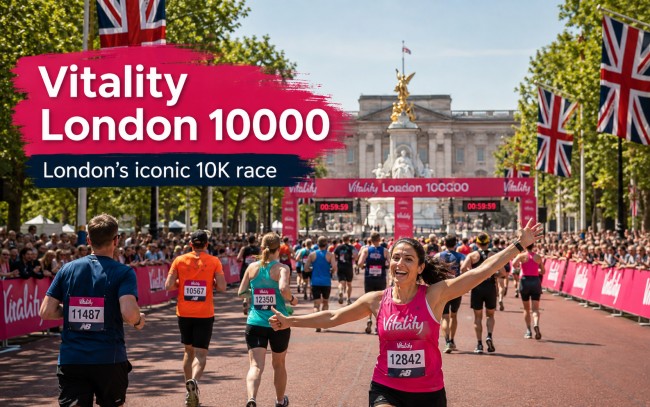
Vitality London 10000 is a major 10-kilometre road running event held in central London. The race welcomes elite athletes, charity runners, and people completing their first organised challenge. Known for its famous city route and finish near Buckingham Palace, the event combines competitive athletics with a memorable experience through one of the world’s most recognisable cities. Since launching in 2008, the race has developed into an important part of the UK running calendar. It represents fitness, community involvement, personal achievement, and the growing popularity of mass participation sport.
Background and History of Vitality London 10000
The Beginning of a London Running Tradition
The race was introduced in 2008 by London Marathon Events as a 10K competition designed for runners with different goals. The organisers created a shorter distance event that could provide the excitement of major city racing while remaining accessible to many participants. From its first years, the competition attracted professional runners and everyday athletes. The combination of a central location, fast course, and strong organisation helped establish its place within British road running.
Development Through the Years
The event continued to grow as more people became interested in running and healthier lifestyles. The partnership with Vitality gave the race its current title and strengthened its connection with fitness and wellbeing. Over time, the competition became recognised for bringing together different groups, including experienced athletes, beginners, and charity supporters. Its identity has remained focused on participation and the celebration of running.
Event Details and Organisation
Distance and Race Format
The course covers 10 kilometres, making it suitable for a variety of runners. Some participants aim for personal records, while others take part to complete a personal goal or support a chosen cause. The distance creates a balance between challenge and accessibility. It requires preparation but does not demand the same level of endurance as longer races, which makes it attractive to people entering organised running for the first time.
Role of the Organisers
London Marathon Events manages the race operations, including planning, participant services, timing, and course arrangements. The organisation has experience delivering major running events in London and focuses on providing a safe and enjoyable experience. The event structure includes support facilities, race management teams, and services designed to help participants before and after completing the course.
Route and Location
Running Through Central London
One of the defining features of Vitality London 10000 is its location. The route takes runners through central London, allowing them to experience historic streets and famous landmarks while competing. The race traditionally begins on The Mall and finishes near Buckingham Palace. This setting gives the event a unique atmosphere because participants complete their challenge in the heart of the capital.
Famous Landmarks and Finish Experience
The course provides views of important London locations and creates a connection between sport and the city’s heritage. The finish area near Buckingham Palace offers a memorable moment where runners can celebrate reaching the end of the race. The combination of athletics and iconic surroundings has helped the event become a popular choice for people wanting a special running experience.
Participation and Registration
Open to Different Runners
The event welcomes a broad mix of participants. Professional athletes compete alongside charity runners, fitness enthusiasts, and people preparing for their first major race. The 10K distance allows many people to take part without needing experience in longer endurance competitions. Training plans often focus on building stamina, improving pace, and developing confidence.
Preparing for Race Day
Preparation normally includes regular running sessions, suitable equipment, hydration planning, and recovery. Beginners often increase their training gradually, while experienced runners focus on improving their finishing times. On race day, participants usually benefit from arriving early, understanding the course, managing their pace, and enjoying the atmosphere created by thousands of runners and supporters.
Charity and Community Impact
Supporting Good Causes
Charity fundraising is an important part of the event. Many participants use the race to raise money for organisations that support different communities and social causes. This connection gives the competition a wider purpose. Runners can work towards personal fitness goals while contributing to causes that matter to them.
Bringing People Together
The race creates a shared experience involving runners, families, volunteers, and supporters. The atmosphere reflects how sport can connect people from different backgrounds. The event encourages active lifestyles and shows how large sporting occasions can create positive community involvement.
Records and Notable Achievements
Elite Performances
The race has attracted some of the strongest distance runners in athletics. Its fast course has allowed athletes to produce impressive performances. Mo Farah is one of the most recognised names connected with the event. He achieved success in the race and set the men’s course record in 2010 with a time of 27:44. The women’s course record was set by Mary Keitany in 2010 with a time of 31:06. These performances highlight the competitive quality of the event.
Sporting Importance
The competition has maintained importance because it combines elite racing with mass participation. This approach allows professional athletes and everyday runners to share the same course. The event’s success demonstrates how road races can provide opportunities for competition, personal achievement, and community engagement.
Vitality London 10000 2026
Upcoming Race Details
The 2026 edition will take place on Sunday, 27 September 2026. Participants are expected to experience the traditional London route and finish near Buckingham Palace. A specially designed medal for the 2026 race has been promoted as part of the participant experience. The medal represents the achievement of completing the distance and reaching the finish line.
Continuing the Tradition
The upcoming event continues the purpose established when the race began. It brings together competitive running, personal goals, and community participation in one of London’s most recognisable sporting settings.
Wider Significance in UK Running
More Than a Race
The event reflects the growth of recreational running across the UK. It encourages people to become active while creating opportunities for memorable sporting experiences. Its combination of accessibility, competition, and a historic location gives it a special place within British athletics.
Connecting Sport With London Heritage
Running through central London creates a relationship between athletics and the identity of the city. Participants experience famous locations while completing a sporting challenge. This connection between movement, history, and community remains a key part of the event’s appeal.
Future Development
The continued popularity of the race shows the lasting interest in city running events. Future editions will continue bringing together athletes, charities, and supporters. By maintaining its focus on participation and sporting achievement, the event can continue inspiring new generations of runners. Its combination of tradition, competition, and community spirit ensures that it remains an important part of London’s athletics culture. The event continues to inspire runners across generations.
Conclusion
Vitality London 10000 has grown from a new 10K race in 2008 into a recognised London running event. With its central route, Buckingham Palace finish, charity involvement, and mix of professional and everyday participants, it offers a meaningful experience for runners. The race represents the connection between sport, community, and London’s historic surroundings. Its continued development shows why city running events remain valuable parts of modern athletics.
Also Read